
What is Web Development and Why Does It Matter for Small Businesses?
Web development refers to the process of creating, building, and maintaining websites. It encompasses a wide range of tasks, including web design, coding, content creation, and server management. For small business owners, web development is not just a technical endeavor—it’s a critical investment in their brand’s online presence. In today’s digital-first world, a website often serves as the first point of contact between a business and its potential customers.
A well-developed website can help small businesses establish credibility, showcase their products or services, and provide a seamless user experience that encourages visitors to take action—whether that’s making a purchase, booking a service, or signing up for a newsletter. Without a functional and visually appealing website, small businesses risk losing out to competitors who have embraced the digital landscape. As Bill Gates famously said,
“If your business is not on the internet, then your business will be out of business.”
Key Elements of a Small Business Website
Essential Pages Every Small Business Website Needs
Every small business website should include a set of foundational pages that cater to the needs of visitors and provide essential information about the business. These pages include:
Home Page: The first impression matters. The home page should clearly communicate what the business offers and guide visitors to explore further.
About Page: This page tells the story of the business, its mission, values, and team. It helps build trust and establish a personal connection with visitors.
Services or Products Page: A detailed overview of the services or products offered, complete with descriptions, pricing, and benefits.
Contact Page: Make it easy for customers to reach out with a contact form, phone number, email address, and physical location (if applicable).
Blog Page: A blog can be a powerful tool for sharing industry insights, tips, and updates while improving SEO and driving traffic.
These pages form the backbone of a small business website, ensuring visitors can find the information they need quickly and easily.
Mobile Responsiveness: A Non-Negotiable Feature
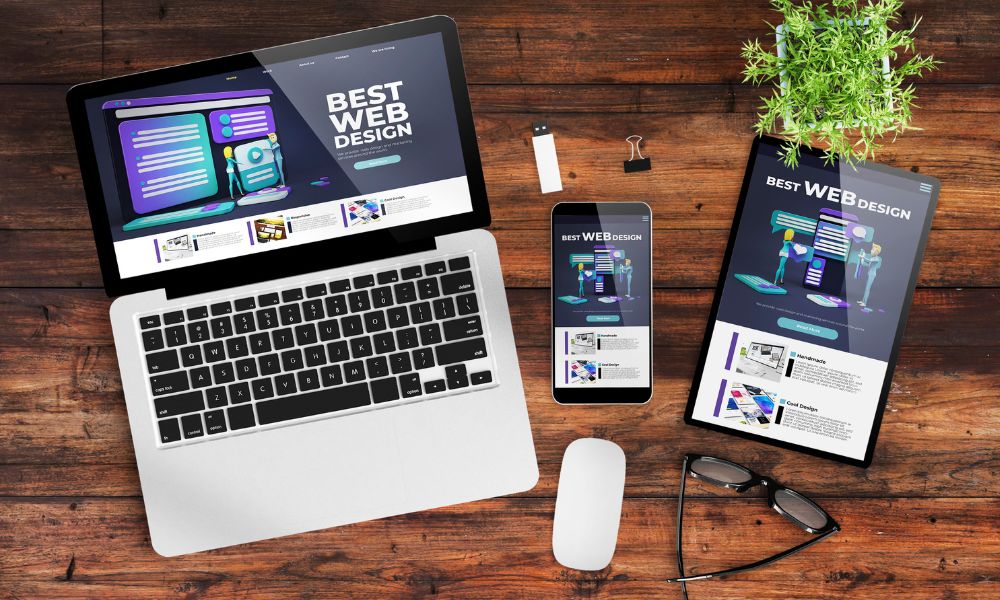
Mobile responsiveness is no longer optional—it’s a necessity. With over half of global web traffic coming from mobile devices, small business websites must be optimized for smartphones and tablets. A mobile-friendly design ensures that the website looks and functions well on smaller screens, providing a seamless experience for users.
Moreover, search engines like Google prioritize mobile-responsive websites in their rankings, meaning businesses that neglect this feature could see their visibility suffer. Tools like Google’s Mobile-Friendly Test can help small business owners assess their website’s performance on mobile devices.
Choosing the Right Web Development Platform
Custom vs. Template-Based Websites
When it comes to web development, small business owners often face the choice between custom-built websites and template-based solutions.
Custom Websites: These are tailored to the specific needs of the business, offering complete control over design, functionality, and scalability. While custom websites can be more expensive and time-consuming to develop, they provide a unique and professional look that stands out.
Template-Based Websites: Platforms like WordPress, Wix, and Shopify offer pre-designed templates that are easy to use and cost-effective. These are ideal for small businesses with limited budgets or technical expertise. However, templates may lack the flexibility and uniqueness of custom designs.
The choice between custom and template-based websites depends on the business’s goals, budget, and technical requirements.
Popular Web Development Platforms for Small Businesses
Several platforms cater to small business owners looking to build a website:
WordPress: Known for its flexibility and extensive plugin library, WordPress is ideal for businesses that want a customizable website.
Wix: A user-friendly platform with drag-and-drop functionality, perfect for beginners.
Shopify: Tailored for e-commerce businesses, Shopify offers robust tools for managing online stores.
Each platform has its pros and cons, so small business owners should evaluate their needs before making a decision.
The Role of SEO in Web Development
On-Page SEO Basics for Small Business Websites
Search engine optimization (SEO) is integral to web development. On-page SEO involves optimizing individual pages to rank higher in search engine results. Key elements include:
Meta Tags: Titles and descriptions that summarize the content and attract clicks.
Keywords: Strategically placed keywords that align with what users are searching for.
Internal Linking: Links between pages on the website to improve navigation and SEO.
By incorporating these elements during web development, small businesses can improve their visibility and attract more organic traffic.
Technical SEO Considerations
Technical SEO focuses on the backend aspects of a website that impact its performance and search engine rankings. Important considerations include:
Site Speed: Faster websites provide a better user experience and rank higher in search results.
Security (SSL): An SSL certificate ensures data encryption and builds trust with visitors.
Structured Data: Schema markup helps search engines understand the content and display rich snippets.
Small business owners should work with developers who understand these technical aspects to ensure their website is optimized for search engines.
Budgeting for Web Development: What Small Business Owners Need to Know
DIY vs. Hiring a Professional Developer
Small business owners often wonder whether to build their website themselves or hire a professional developer.
DIY: Platforms like Wix and WordPress make it easy for non-technical users to create websites. This option is cost-effective but may lack the polish of a professionally developed site.
Professional Developer: Hiring a developer ensures a high-quality, customized website but comes with higher costs. This option is ideal for businesses with complex needs or those seeking a unique design.
Ultimately, the decision depends on the business’s budget, technical skills, and goals.
Maintaining and Updating Your Website
Tools and Resources for Website Maintenance
Regular maintenance is essential to keep a website functional, secure, and up-to-date. Useful tools and resources include:
Backup Services: Tools like UpdraftPlus ensure data is safe in case of a crash.
Security Plugins: Solutions like Wordfence protect against cyber threats.
Analytics Tools: Google Analytics helps track website performance and user behavior.
By investing in maintenance tools, small business owners can ensure their website remains a valuable asset.
Common Web Development Mistakes to Avoid
Small business owners often make mistakes during web development, such as:
- Neglecting mobile responsiveness.
- Overloading the website with unnecessary features.
- Using low-quality images or content.
- Ignoring SEO best practices.
Avoiding these pitfalls can save time, money, and frustration.
Future Trends in Web Development for Small Businesses
The web development landscape is constantly evolving. Emerging trends include:
AI Integration: Chatbots and AI tools can enhance user experience and automate tasks.
Voice Search Optimization: As voice search grows, websites must adapt to conversational queries.
Progressive Web Apps (PWAs): PWAs combine the best of websites and mobile apps, offering fast and reliable experiences.
Small business owners should stay informed about these trends to remain competitive in the digital space.


